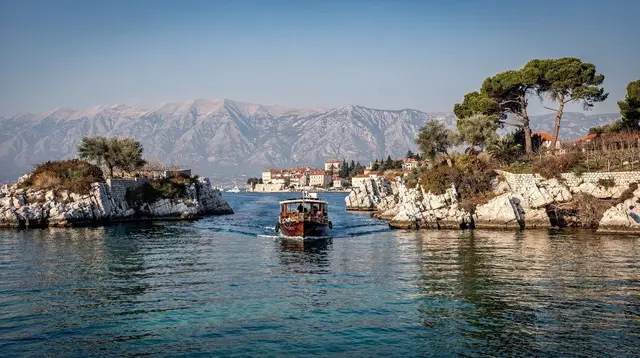
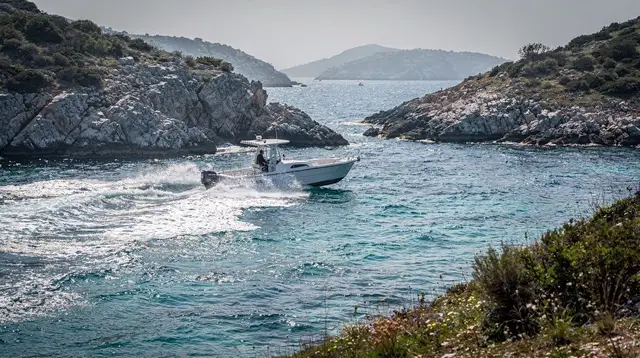
Full-Day Kornati Cruise with Lunch Included
What does a full-day Kornati cruise with lunch actually include?
It's typically a boat trip from Zadar, Biograd na Moru, Murter or Sali into Kornati National Park, with several island or swimming stops and a cooked lunch served on board or at a konoba, lasting most of the day. Exact stops, menu and return time vary by operator, so always check the specific listing before booking.
Why a full day makes sense for Kornati
Kornati National Park is not a place you pass through on the way to somewhere else. It sits offshore, reachable only by boat, and once you’re out among its roughly 89 islands, islets and reefs — bare limestone, sea cliffs, almost no shade — a short visit barely scratches the surface. A full-day cruise gives the boat time to actually get in among the islands, stop for a swim or two, and still leave room for lunch, rather than rushing straight there and back.
That’s the trade-off worth understanding before you book: a full day costs more time and usually more money than a half-day trip, but it buys a slower pace once you’re inside the park, and often a proper meal rather than a packed snack. If your schedule in Zadar is tight, it’s worth weighing this against shorter options — see Kornati vs Telašćica: which to visit for a comparison of scope and pace.
One of the most useful full-day options pairs the cruise with lunch served on board or at a konoba on the islands: a Kornati boat trip from Zadar with lunch at the Captain’s House, which builds the meal directly into the day rather than leaving you to bring your own food.
What “lunch included” tends to mean
Every operator handles the meal differently, and it’s worth reading the specific listing rather than assuming. In general terms, a lunch-included Kornati cruise means:
- A cooked meal, often grilled fish, seafood or a mixed platter, served either on board or at a konoba (a small family-run tavern) on one of the islands.
- Sometimes local wine or soft drinks included, sometimes charged separately — check before you book if this matters to you.
- Occasional accommodation for dietary needs (vegetarian, gluten-free) if you notify the operator in advance, though this isn’t guaranteed on every boat.
What this guide won’t do is promise you a fixed menu, a set price for the meal, or a guaranteed return time — those details vary by operator and by season, and the only reliable source is the live listing for the specific tour you’re considering.
Where the boat leaves from
Because Kornati has no bridge, road or scheduled ferry-car crossing, every visit starts from a port on the mainland or a nearby island. The main departure points are:
| Departure port | Distance to Kornati | Typical trade-off |
|---|---|---|
| Zadar | Furthest | Most tour choice, longer cruising time each way |
| Biograd na Moru | Moderate | Good balance of access and choice |
| Murter | Closest of the mainland ports | Less cruising time, more time inside the park |
| Sali (on Dugi Otok) | Very close | Island departure, fewer operators |
A trip from Zadar itself is the easiest to combine with a stay in the Old Town, and the lunch-included cruise from Zadar mentioned above is built around that convenience. For travelers based further south along the coast, a full-day cruise from Biograd na Moru covering both Kornati and Telašćica adds a second nature park into the same day.
What the cruise usually covers
Most full-day Kornati itineraries follow a similar shape, even though the exact stops differ by boat and by operator:
- Morning departure from the port, with a scenic run out through the Zadar Archipelago or past Ugljan and Pašman before reaching open water.
- Entry into the national park, where the landscape changes abruptly — trees and greenery give way to bare grey-white limestone, dry stone walls left by shepherds, and dramatic drop-offs into the sea.
- One or more swimming and snorkelling stops in sheltered bays with clear water, weather permitting.
- Lunch, either on board or ashore at a konoba, depending on the operator.
- A scenic return, sometimes via a different route or with an extra stop.
Some itineraries extend the day by combining Kornati with neighbouring Telašćica Nature Park on Dugi Otok, which adds the saltwater lake Mir and sea cliffs to the day. The Telašćica and Lojena beach tour by boat is built around exactly this combination, pairing Kornati’s bare-rock scenery with one of the region’s better-known beaches.
For a broader look at how this combination trip compares to visiting each park separately, see the dedicated Kornati and Telašćica combo tour guide.
What the landscape actually looks like
It’s worth setting expectations before boarding, because Kornati doesn’t look like the pine-forested islands closer to Zadar. This is a national park of bare limestone: roughly 89 islands, islets and reefs (the wider Kornati archipelago runs to about 140), largely stripped of vegetation by centuries of grazing and wind. What you’ll see is stone in shades of grey and white, dry-stone walls running along ridgelines, steep cliffs plunging into deep blue water, and very little shade. It’s striking rather than lush — closer to a moonscape than a typical Adriatic island.
That lack of shade is a practical point, not just a scenic one: pack sun protection seriously, since much of the day is spent on open water or on exposed rock.
Alternatives if lunch isn’t the priority
Not every visitor wants a full sit-down meal built into the day. If snorkelling and swimming matter more than a formal lunch stop, a few other options are worth comparing:
- A three-island, three-stop swimming and snorkelling trip from Zadar that includes a drink but keeps the focus on time in the water rather than a meal.
- A private boat tour of Kornati with a chance of dolphin sightings, better suited to smaller groups wanting a more flexible, personalised route.
Both of these sit at a different price point and pace than the full-day lunch cruises above, so it’s worth deciding what matters most to your day — a proper meal and a set itinerary, or more flexibility and time in the water — before choosing.
Practical planning notes
A few points worth knowing before you book any full-day Kornati cruise:
- Book ahead in peak season. July and August fill up quickly, especially on smaller boats with limited capacity — a few days’ lead time gives you more choice of departure port and vessel.
- Expect open water. The crossing to Kornati involves stretches of open sea; if you’re prone to seasickness, consider a departure port closer to the park (Murter or Sali) or bring motion-sickness remedies.
- Shade is limited. Many boats offer only partial cover. A hat, reef-safe sunscreen and a light long-sleeved layer help more than you’d expect.
- Weather can change plans. Kornati is exposed, and strong wind (the bura in particular) can alter or cancel routes at short notice. Operators generally rebook or refund in these cases, but it’s worth checking the specific policy at booking.
- No swimming ban here. Unlike Plitvice Lakes or Krka National Park, swimming is a normal and expected part of a Kornati visit — it’s one of the main reasons to choose this trip.
How this fits into a longer stay
A full-day Kornati cruise pairs naturally with a few nights based in Zadar itself, since it needs a full day and often an early start. If you’re planning a longer visit to the archipelago, it’s worth reading how many days to spend in Zadar to see where a day like this fits against the Old Town, Nin and the other islands. For a structured multi-day plan built around the archipelago, the three-day Zadar archipelago islands itinerary is a useful starting point.
If you’re torn between Kornati and a gentler island day closer to shore, the island-hopping tour of Ugljan and Pašman offers a very different, greener alternative within easy reach of Zadar — worth comparing before you commit a full day to Kornati’s bare-rock scenery.
Choosing the right boat and group size
Full-day Kornati cruises run on everything from larger passenger boats carrying a few dozen people to smaller vessels with room for a handful of guests. The trade-off is fairly consistent across operators: a bigger boat usually means a lower price and a fixed, well-tested route, while a smaller boat means fewer people to share the deck and swimming platform with, and sometimes more flexibility on where to stop.
Neither is objectively better — it depends on whether you’d rather save money and travel with a bigger group, or pay more for a quieter day. If a smaller, more personal boat matters to you, the private boat tour of Kornati with dolphin-spotting potential mentioned above is worth a closer look, since a private charter can also adjust the pace of the day around your group rather than a fixed group schedule.
Deck space and shade also vary a lot between boats, which matters more on a full day than a half-day trip since you’re on board longer. Some vessels have a covered saloon or awning over part of the deck; others are largely open. If you know sun exposure is going to be a problem for anyone in your group, it’s worth checking photos on the specific listing rather than assuming — the operators differ noticeably on this point, and it’s one of the few details that’s usually visible before booking.
Kornati compared with a nearby half-day option
Not every visitor has a full day free, and the archipelago closer to Zadar offers a genuinely different, faster alternative for anyone short on time. A trip that stays among Ugljan and Pašman, or a shorter run out toward the nearer islands, trades Kornati’s bare-rock drama for a greener, calmer coastline reachable in a fraction of the time. The half-day boat tour of Zadar’s Old Town coastline is one such option worth comparing directly against a full Kornati day: it costs less time and usually less money, but it won’t take you into the national park itself or give you the same sense of Kornati’s stark, treeless islands.
The right choice really comes down to what you’re trying to see. Kornati’s landscape — the dry-stone walls, the cliffs, the almost lunar bareness of the islands — doesn’t exist anywhere closer to Zadar, so a shorter trip nearby is a different experience rather than a scaled-down version of the same one. If Kornati’s scenery is the specific draw, the extra time is generally worth it; if you mainly want a relaxed afternoon on the water with swimming stops, a shorter, closer trip can cover that just as well for less commitment.
Combining Kornati with the rest of the archipelago
Because Kornati sits at the outer edge of the Zadar Archipelago, a full-day cruise there fits naturally alongside time spent on the closer, greener islands on other days of a longer stay. Dugi Otok, with the Sakarun beach and Telašćica’s cliffs, sits between Kornati and the mainland and makes a logical link between the two kinds of scenery — bare limestone offshore, pine-covered islands closer in. Travelers building a multi-day archipelago plan around both often find it easier to slot the Kornati day in early, since it depends most on calm weather, and keep the closer islands as a flexible backup if conditions change.
For anyone still deciding how the islands fit together as a whole before committing to a specific day, the day-trips-from-zadar-best-options guide lays out how a Kornati cruise compares with the region’s other big day-trip choices, from Plitvice Lakes inland to Krka’s waterfalls south of Zadar — useful context if lunch and a full day at sea turns out not to be the only option worth weighing.
Full-Day Kornati Cruise: Frequently Asked Questions
Where does a full-day Kornati cruise with lunch usually depart from?
Most boats leave from Zadar, Biograd na Moru, Murter or Sali, since Kornati National Park has no road or bridge access and can only be reached by water. Sali and Murter sit closest to the park, which can mean less time spent cruising and more time inside it.
Is lunch really included, and what will it be?
Many full-day Kornati itineraries build in a cooked lunch, often grilled fish or a mixed platter served on board or at a konoba on one of the islands. The exact menu, whether drinks are included, and any dietary options depend entirely on the operator, so check the specific tour listing rather than assuming a fixed menu.
Can I swim during the cruise?
Swimming and snorkelling stops in clear bays are a normal part of most Kornati cruises, weather and route permitting. Bring a swimsuit, a towel and reef-safe sunscreen, since these stops are usually the highlight of the day.
How long does the cruise last, and what time does it get back?
Full-day Kornati cruises generally run for most of the daylight hours, but exact departure and return times differ by operator and by port. Always check the specific tour listing for its schedule rather than assuming a fixed timetable.
What does Kornati National Park actually look like?
Kornati is a scatter of roughly 89 mostly bare limestone islands, islets and reefs — the wider archipelago runs to about 140 — with little vegetation and dramatic sea cliffs rather than beaches and greenery. It’s a landscape of stone and water, quite different from the pine-covered islands closer to Zadar.
Do I need to book in advance?
Yes, especially in July and August when full-day boat trips can sell out, particularly on smaller vessels. Booking a few days ahead gives more choice of departure port and boat size.
What should I pack for a full day on the water?
A swimsuit, towel, sun hat, sunscreen, a light layer for the breeze on open water, and a reusable water bottle. Shade on board is often limited, so sun protection matters more on this trip than on most.
Is a full-day cruise better than a shorter Kornati trip?
A full day generally means more stops, more time in the water and a more relaxed pace than a half-day trip, at a higher price and a longer commitment. If you’re short on time or prone to seasickness on longer crossings, a shorter itinerary or a trip from Murter or Sali (closer to the park) may suit better.
Island Hopping Cruises
Verified deep-linked GetYourGuide tours. Book through these links and we earn a small commission at no cost to you.
GetYourGuide does not provide a product photo for this activity — the image shows the meeting point, photographed by us.